

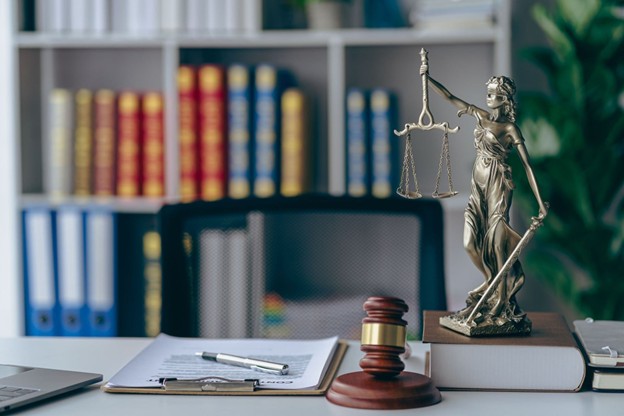
When a child faces criminal charges, it can be scary for the whole family. A criminal defense attorney for juveniles helps protect your child’s rights, reduce punishments, and keep their future safe. With the right guidance, families can handle the legal process calmly and avoid mistakes that could make the case worse. Facing the court system without support can lead to long-term consequences, including a criminal record that impacts school, work, and personal opportunities. Having an attorney by your side ensures every decision is guided by knowledge of the law and care for your child’s well-being.
How Juvenile Cases Are Different
Cases for minors are not the same as adult cases. The rules and punishments focus more on helping children learn from their mistakes than punishing them. A juvenile criminal defense attorney knows these rules and works to make sure your child is treated fairly in court. Unlike adult trials, juvenile hearings often take place in closed courtrooms to protect privacy. The focus is usually on rehabilitation, education, and support programs, rather than jail time. Understanding these differences is critical in building a strong defense and making sure the court sees your child as someone who can grow and change.
Checking Every Detail
Every case is different. A juvenile court defense lawyer carefully looks at police reports, witness statements, and other evidence. This helps spot errors or missing information in the case. Understanding all the details lets the lawyer make a plan to reduce charges or punishments. For example, inconsistencies in witness statements or mishandled evidence can change the outcome of the case. Even small mistakes in paperwork or procedure can give the attorney an opportunity to challenge the charges or negotiate a better resolution. This careful attention to detail ensures the case is handled properly from the start.
Reducing Punishments
One main goal is to lower the impact of the charges. Attorneys can speak with the prosecutors to ask for lighter sentences, probation, or educational programs instead of jail. Courts consider your child’s age, behavior, and family support when deciding punishment. This approach protects their schooling and personal growth. For example, a first-time offense may qualify for probation or a diversion program, keeping your child away from the adult criminal system. Reducing penalties early also helps prevent long-term consequences like a criminal record.
Helping With Programs and Support
Courts may require counseling, community service, or training programs. A juvenile attorney helps choose the right ones so your child learns from the situation and avoids future trouble. These programs can prevent a criminal record while guiding your child to make better choices. Programs often focus on improving social skills, decision-making, and understanding consequences. Support from family combined with professional guidance can make a significant difference in your child’s growth and rehabilitation.
Protecting the Future
A criminal record can affect school, jobs, and opportunities. Attorneys work to seal or remove juvenile records whenever possible. This gives your child a fair chance to move on without long-term problems from the case. A clean record is crucial for college applications, job interviews, and other life opportunities. By focusing on rehabilitation rather than punishment, a juvenile criminal defense attorney helps protect your child’s reputation and future.
Preparing for Court
Court can be stressful for young clients. Attorneys explain what will happen and how to behave during hearings. Being prepared reduces stress and can help judges treat the child fairly. Families feel more confident and supported too. Preparing includes explaining court etiquette, what to say, and how to answer questions. When children understand the process, they can participate more effectively, which can influence the court’s decision in a positive way.
Handling Negotiations and Plea Deals
Sometimes cases can be resolved without a full trial. Attorneys negotiate with prosecutors to reach agreements that reduce charges or penalties. This may involve community service, probation, or other non-punitive measures. Negotiating effectively can save time and reduce stress for the child and family while achieving a fair outcome. A good attorney presents the child’s behavior, school performance, and family support to convince the court of a lighter resolution.
In Closing:
At Philip Steinberg, PA, we know how hard juvenile cases can be for families. As a juvenile criminal defense attorney, we focus on reducing punishments, protecting your child’s rights, and helping them move forward. We guide families every step of the way so you feel informed and supported. Our approach combines careful case review, strong advocacy, and practical guidance. We work to keep your child out of long-term trouble while promoting their education and personal growth. Facing a juvenile charge can be scary, but acting quickly makes a difference. Contact Philip Steinberg, PA today to give your child the best chance for a fair outcome.
We will help reduce punishments, protect their future, and provide guidance throughout the legal process. Make sure your child gets the care and protection they need.
FAQs:
- What does a juvenile criminal defense attorney do?
They protect a child’s rights, review evidence, and guide families through the legal process.
- How can punishments be reduced in juvenile cases?
Lawyers negotiate with the court for probation, counseling, or education programs instead of jail time.
- What is the role of a juvenile court defense lawyer?
They carefully examine case details, identify errors, and advocate for fair treatment in court.
- Can a juvenile record be sealed or removed?
Yes, attorneys can request sealing to protect a child’s future education and career opportunities.
- Why is preparation important for a juvenile court hearing?
It reduces stress, helps children understand court behavior, and improves how judges view them.